PERSONAL FINANCE × BEHAVIORAL PSYCHOLOGY
Money is math.
Decisions are psychology.
Clear lessons on credit, saving, investing, insurance and debt. We show you the real numbers, and why a costly choice can feel cheap.
WHAT FEELS RIGHT VS. WHAT WORKSFeels rightWorks
CREDITThe minimum payment$3,000 at 24%: 150 months on the minimum, 26 months at $150.
INVESTINGA “small” fund feeSame S&P 500 index, 20 real years: $18,000 lost to a higher fee.
INSURANCEThe premium is not the costIn a likely year, the premium is only 59% of the $5,320 you pay.
BANKING & SAVINGStaying with your bank$8,000 for 5 years: $5 at 0.01% vs. $2,351 at 4%.
Common money traps
Small details that make a choice feel cheaper than it really is, and the lessons that explain how to spot them.
WHY $90 FEELS RIGHT
The minimum payment becomes the plan.
Minimum Payments
CREDIT IS NOT CASH
Available credit feels like available money.
How Much Credit You Use
SMALL PAYMENT, BIG COST
A lower monthly payment looks cheaper.
Comparing Loan Offers
THE WORD “INSURED”
One reassuring word replaces the details.
Is Your Bank Money Protected?
LEARN STEP BY STEP
Pick a topic. Start at Level 1.
Banking & SavingChecking, savings, interest and overdrafts
Level 1: The basics
Level 2: Comparing options
InsuranceWhat is covered, deductibles and health plans
Level 1: The basics
Level 2: Comparing options
Loans & DebtInterest, combining debts and payoff plans
Level 1: The basics
Level 2: Comparing options
FRESH FROM THE BLOG
Latest lessons
- Holiday Debt in January: A 90-Day Payoff Plan With Real Numbers
 Holiday balances feel small in December and heavy in January. Here is what they cost if you wait, and a 90-day plan to clear them with real numbers.
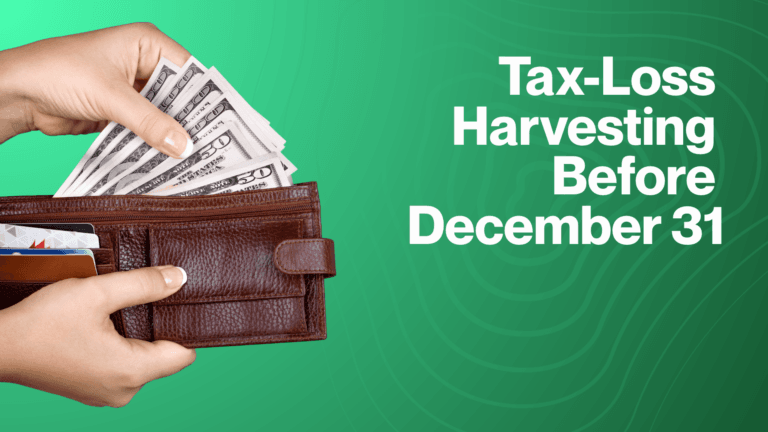
- Tax-Loss Harvesting Before December 31: How It Works and the Wash-Sale RuleA losing investment can still lower your tax bill. Learn how tax-loss harvesting works, the $3,000 limit and the wash-sale rule that can cancel it.
- BNPL and Your Credit Score: Does Buy Now, Pay Later Hurt It?Four small pay-in-4 plans can turn into one heavy January. See when buy now, pay later reaches your credit report and when it can hurt your score.
- Fed Rate Hike 2026: What It Means for Your Savings and DebtThe Fed raised rates in September 2026, but its effect on most people is about $40 a year. Here is where the bigger numbers in your accounts hide.
- HSA vs. FSA: Which One Should You Choose for 2027?Your benefits form wants a number for next year. Learn how an HSA and an FSA differ in 2027 and how to pick an amount you will not regret.
- CD vs. High-Yield Savings Account: Which One Wins in 2026?
 Both accounts are safe places for cash, but they make different promises. Compare 2026 rates, early withdrawal penalties and what happens if rates move.